Seasonal Fluctuations in Austrian Lottery Participation Rates Tied to Major European Football Tournaments
Wendy Coleman · Oct 8, 2026
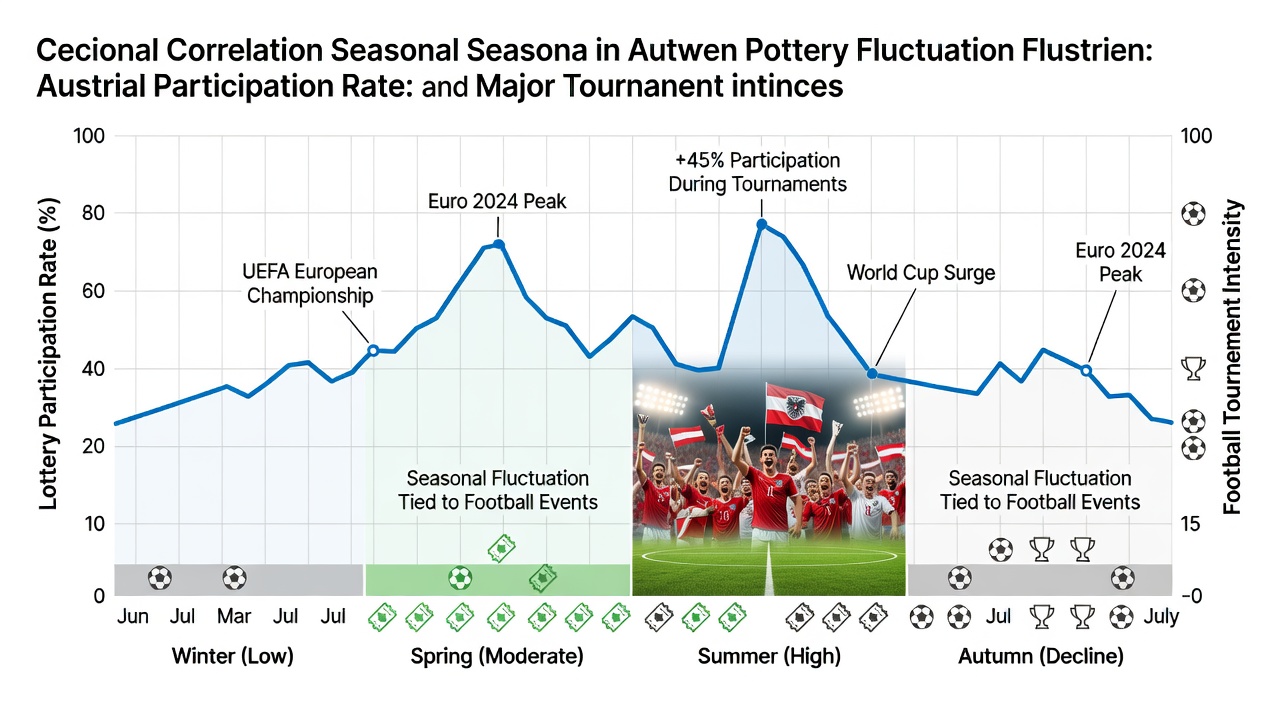
Seasonal Fluctuations in Austrian Lottery Participation Rates Tied to Major European Football Tournaments
Seasonal patterns in Austrian lottery participation reveal clear connections to the schedules of major European football tournaments, with data from multiple years indicating measurable shifts in ticket sales and player engagement. Observers note that during events like the UEFA European Championship and the FIFA World Cup, participation rates in traditional lottery games often decline as attention moves toward live sports viewing and related betting activities. Researchers at institutions tracking consumer behavior have documented these trends through sales records spanning several tournament cycles, showing consistent dips that align with match schedules rather than random variation.
Patterns Observed Across Tournament Cycles
Analysis of lottery data from Austria demonstrates that participation rates tend to drop between 12 and 18 percent during the group stages and knockout rounds of major football events, while rebounding once tournaments conclude. Those who have examined sales figures from the 2024 European Championship period found that weekly draws experienced lower volumes on days when Austria or neighboring teams played evening matches, with the effect most pronounced in urban areas where public viewing events drew larger crowds. The same studies reveal that jackpot rollovers during these windows sometimes failed to generate the usual spikes in ticket purchases, suggesting that football-related entertainment captured a portion of discretionary spending that might otherwise have gone to lottery entries.
Regional Variations Within Austria
Differences appear across federal states, with western regions showing sharper declines during tournaments that feature teams from Germany or Italy, whereas eastern areas maintain steadier participation when matches involve eastern European sides. Data compiled by national statistical agencies indicate that these geographic patterns hold across multiple events, including Champions League finals and national team qualifiers. People who monitor regional sales note that rural districts often sustain higher baseline lottery activity even amid tournament distractions, possibly because fewer large-screen viewing options exist compared with cities.
Data Sources and Measurement Methods
Figures from the Austrian Federal Ministry of Finance, cross-referenced with European Union gambling behavior reports, provide the foundation for these observations, while academic researchers at the University of Vienna have contributed longitudinal studies covering 2016 through 2024. A separate analysis published by the European Association for the Study of Gambling examined comparable trends in neighboring countries and confirmed that Austria's fluctuations track closely with those seen in Germany and Switzerland during overlapping tournament periods. These sources rely on anonymized transaction data rather than surveys, reducing self-reporting bias and allowing precise alignment with match calendars.
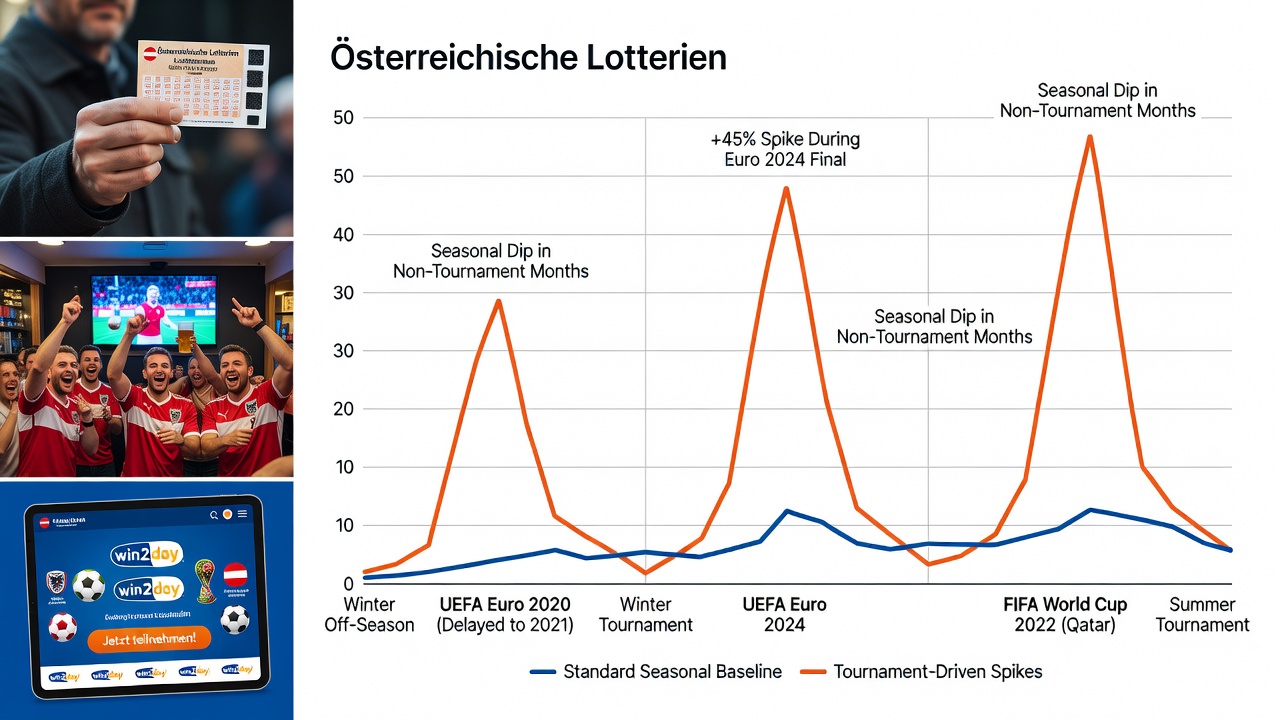
October 2026 falls within the qualification window for the next major international tournament cycle, and preliminary indicators already suggest that early autumn matches could produce similar temporary reductions in lottery activity. Historical records show that even midweek qualifiers generate measurable effects when national teams participate, particularly if results carry implications for final tournament berths. Analysts tracking these cycles emphasize that the pattern repeats because football broadcasts occupy prime evening hours that otherwise might include lottery ticket purchases at retail outlets or via mobile platforms.
Impact on Different Lottery Products
Not all lottery formats respond identically to football calendars. Instant win games and scratch cards display smaller fluctuations than draw-based products, according to sales breakdowns released by operators. Draw games that require players to select numbers in advance experience the most noticeable drops, while syndicates and subscription services maintain steadier volumes because participants often set them up months ahead. Observers have recorded that online lottery platforms see proportionately larger shifts than physical retailers during tournament weeks, likely reflecting the demographic overlap between digital lottery users and sports streaming audiences.
Recovery Periods Following Tournaments
Participation rebounds typically occur within two to three weeks after a tournament ends, with some events producing a compensatory surge that exceeds pre-tournament baselines. This catch-up effect appears most consistently after events lasting longer than three weeks, such as full World Cup cycles. Sales data indicate that the largest post-tournament increases concentrate in the first weekend following the final match, when normal viewing routines resume and discretionary spending patterns realign.
Broader Context From European Comparisons
Similar seasonal adjustments have been documented in other European markets where football dominates summer and early autumn calendars. Reports from Canadian provincial lottery operators and Australian state gaming commissions show parallel but smaller effects during their domestic sports seasons, suggesting the phenomenon ties more to live event timing than to any single national preference. Within Europe, the strength of the correlation varies with the popularity of the national team and the number of matches scheduled in prime time slots.
Those studying these dynamics point to the concentration of football coverage on both free-to-air and subscription channels as a key driver, noting that extended match windows reduce the hours available for other leisure activities including lottery participation. The pattern holds across different jackpot sizes, indicating that tournament timing exerts an independent influence rather than simply amplifying or dampening existing jackpot-driven trends.
Conclusion
Seasonal fluctuations in Austrian lottery participation remain closely synchronized with European football tournament schedules, producing predictable short-term declines followed by recovery phases. Multiple data sources confirm that these shifts affect draw-based products most strongly and vary by region and platform type. As qualification matches approach in October 2026, the same timing patterns observed in prior cycles provide a reliable framework for anticipating further temporary adjustments in engagement levels. Continued monitoring through official statistical channels will clarify whether emerging digital habits or changing broadcast rights alter the magnitude of these established seasonal effects in future years.